
Tutankhamun is the most famous pharaoh in the world, and yet he did almost nothing that ancient Egyptians would have thought worth remembering. He came to the throne as a child, ruled for about ten years, died at around 19 and was quickly forgotten. Later kings even left his name off their official lists of rulers.
That obscurity is exactly what made him famous. Because his small tomb was hidden and forgotten, it survived almost untouched for more than 3,000 years, until Howard Carter opened it in 1922. Here is who Tutankhamun really was, how he lived and died, and why a minor boy king became the face of ancient Egypt.
Tutankhamun at a Glance
- Name at birth: Tutankhaten, “living image of the Aten.” He changed it to Tutankhamun, “living image of Amun,” early in his reign.
- Throne name: Nebkheperure.
- Reign: about 1332–1323 BC, in the 18th Dynasty of the New Kingdom.
- Age: about 8 or 9 when he became king; about 18 or 19 when he died.
- Father: almost certainly Akhenaten, according to DNA studies published in 2010.
- Wife: Ankhesenamun, a daughter of Akhenaten and Nefertiti, and probably his half-sister.
- Children: two stillborn daughters, whose small mummies were found in his tomb.
- Tomb: KV62, Valley of the Kings, discovered by Howard Carter on November 4, 1922.
- Successor: Ay, his elderly adviser.
A Childhood in the Middle of a Religious Revolution
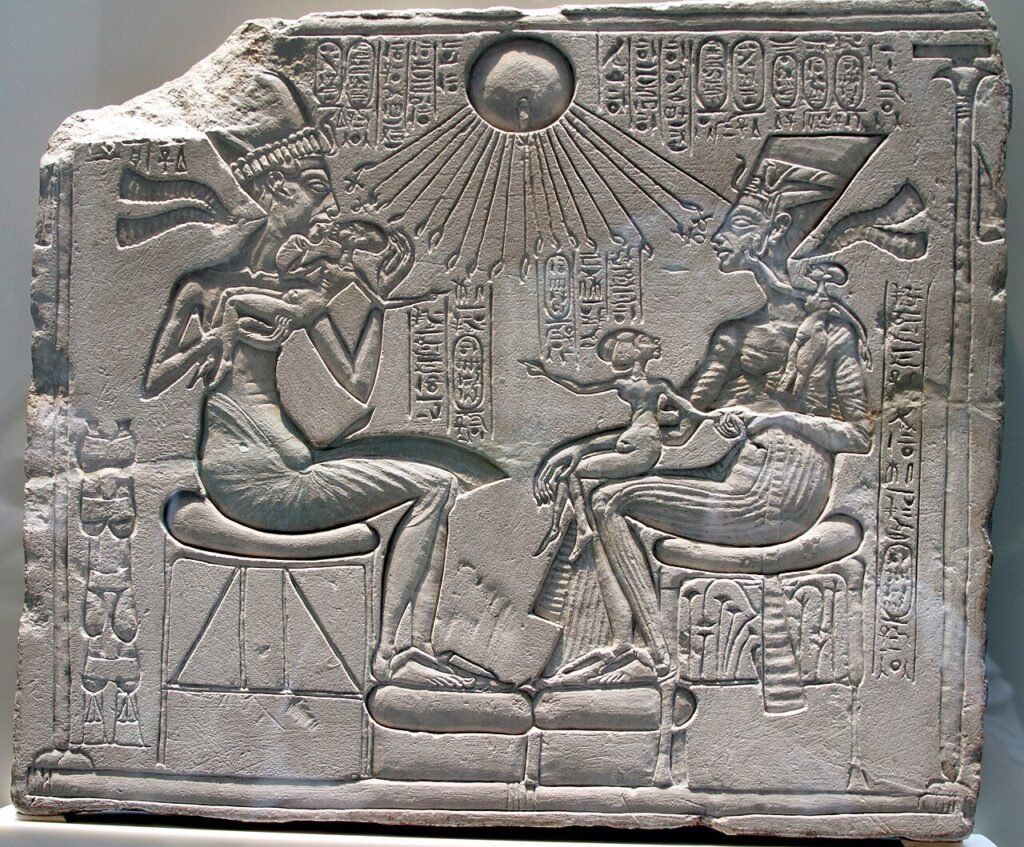
Tutankhamun was born around 1341 BC into one of the strangest periods in Egyptian history. His father, the pharaoh Akhenaten, had turned his back on Egypt’s traditional gods, especially Amun, the powerful god of Thebes. Akhenaten promoted the worship of a single god, the Aten, the disk of the sun, and built a brand-new capital city in Middle Egypt called Akhetaten, today known as Amarna.
The boy was named Tutankhaten in honor of that sun god and grew up at Amarna. Who his mother was is still debated. DNA tests in 2010 identified her as a mummy known as the “Younger Lady” from tomb KV35, who was also Akhenaten’s full sister. She was not Nefertiti, Akhenaten’s famous chief queen, although some scholars still argue for Nefertiti or another royal woman.
Becoming King as a Child
When Akhenaten died around 1336 BC, a short and confusing period followed, with one or two little-known rulers. Then, at about eight or nine years old, Tutankhaten was crowned pharaoh. A child could not run an empire, so real power lay with two senior officials: Ay, an elderly courtier who may have been related to the royal family, and Horemheb, the commander of the army.
Around the same time, the young king married Ankhesenpaaten, a daughter of Akhenaten and Nefertiti who was probably also his half-sister. Brother-sister marriages were not unusual in Egypt’s royal family, where they helped keep power and divine status within the family.
Undoing His Father’s Revolution
Tutankhamun’s reign is remembered for one big change: Egypt turned back to its old gods. In the second or third year of his rule, the king and queen changed their names from “Aten” to “Amun,” becoming Tutankhamun and Ankhesenamun. The court left Amarna, Thebes and Memphis became the centers of government again, and the temples of Amun and the other gods were reopened and repaired.
A large stone slab known as the Restoration Stela, set up at Karnak Temple, describes the state of the country when he came to power: the temples were in ruins and the gods had turned their backs on Egypt. The decree promises that the king has restored their shrines and their wealth. The real decisions were almost certainly made by Ay and Horemheb, but they were announced in the boy king’s name.
What Was Tutankhamun Like?
Thanks to his mummy and the objects in his tomb, we know more about Tutankhamun’s body than about almost any other pharaoh. CT scans and DNA studies show a slender young man around 5 feet 6 inches (1.67 m) tall. He had a slight cleft palate, an overbite inherited from his family and a clubbed left foot, with signs of bone disease in his toes. More than 130 walking sticks and canes were buried with him, and some show signs of use, which suggests he walked with difficulty.
DNA testing also found traces of the parasite that causes malaria, a disease that could have weakened him. At the same time, his tomb was packed with chariots, bows and hunting gear, and some scenes show him hunting and fighting. Whether these show his real life or just the ideal image of a king is debated.
How Did Tutankhamun Die?
Tutankhamun died suddenly around 1323 BC, at about 18 or 19, with no surviving child to inherit the throne. How he died is one of Egypt’s most famous mysteries. The main theories are:
- An accident. CT scans in 2005 found a badly broken left thigh bone that may have happened shortly before death. Some researchers think he fell from a chariot or was injured in some other accident, and the wound became infected.
- Disease. A 2010 study argued that malaria combined with a bone disorder in his foot could have killed him.
- Murder. A hole in the back of his skull once led to theories that he was struck on the head, perhaps by Ay. Most experts now think the hole was made during embalming, and the murder theory has little support.
The truth may be a combination, such as an accident that a weak, sick young man could not survive. What is clear is that his death was unexpected. His tomb was small and hastily prepared, probably a non-royal tomb adapted in a hurry, and some of his burial goods appear to have been made for other members of his family.
After His Death: A Pharaoh Erased
Tutankhamun’s widow, Ankhesenamun, seems to have been desperate. A letter found in the archives of the Hittites, Egypt’s great rivals, records an Egyptian queen begging the Hittite king to send one of his sons to marry her, because her husband had died and she had no son. Many historians believe the queen was Ankhesenamun. A prince was sent, but he died on the way.
In the end, the old adviser Ay became king, followed a few years later by the general Horemheb. Horemheb and the kings after him wanted to wipe out the memory of the Amarna period. Akhenaten, Tutankhamun and Ay were left off later king lists, and many of Tutankhamun’s monuments were taken over and recarved with Horemheb’s name. Within a few generations, the boy king had nearly disappeared from history.
Why Tutankhamun Became So Famous
Being forgotten saved him. Almost every royal tomb in the Valley of the Kings was robbed in ancient times. Tutankhamun’s tomb was broken into twice soon after his burial, but the thieves were caught or disturbed and the tomb was resealed. About 200 years later, workers building the tomb of Ramesses VI dumped stone chips and built huts right on top of its entrance, hiding it completely.
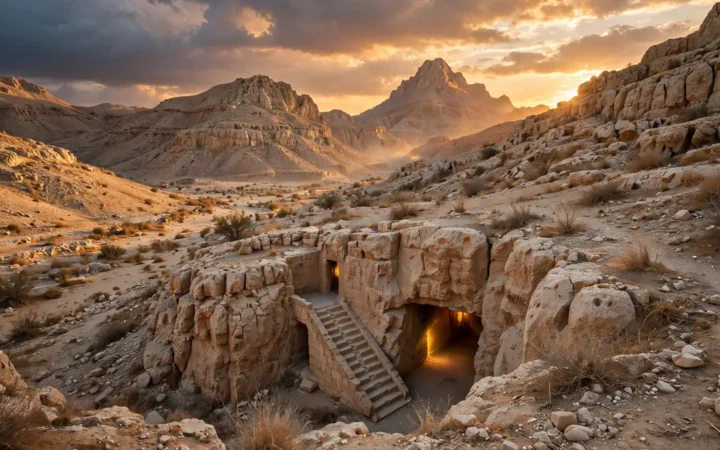
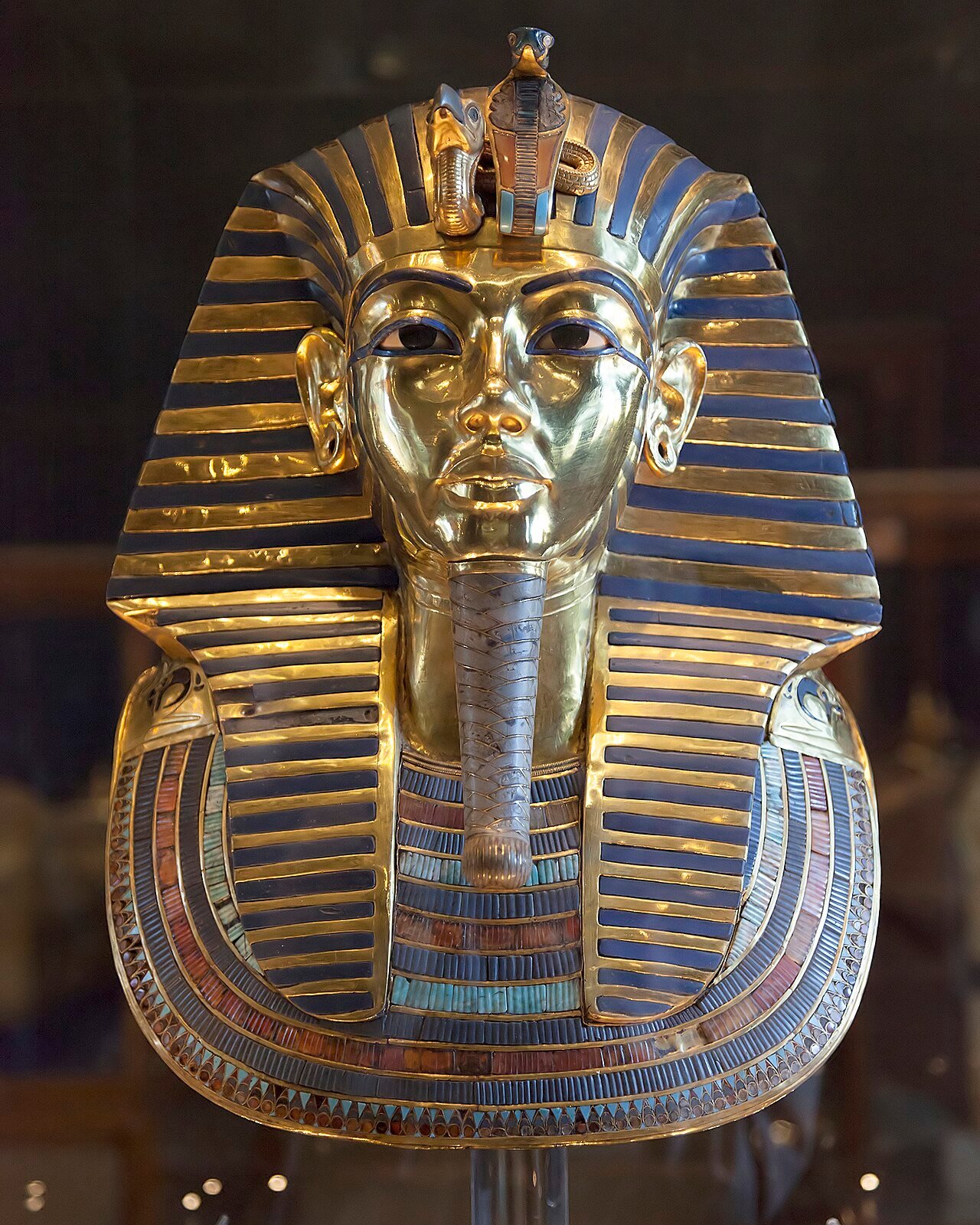
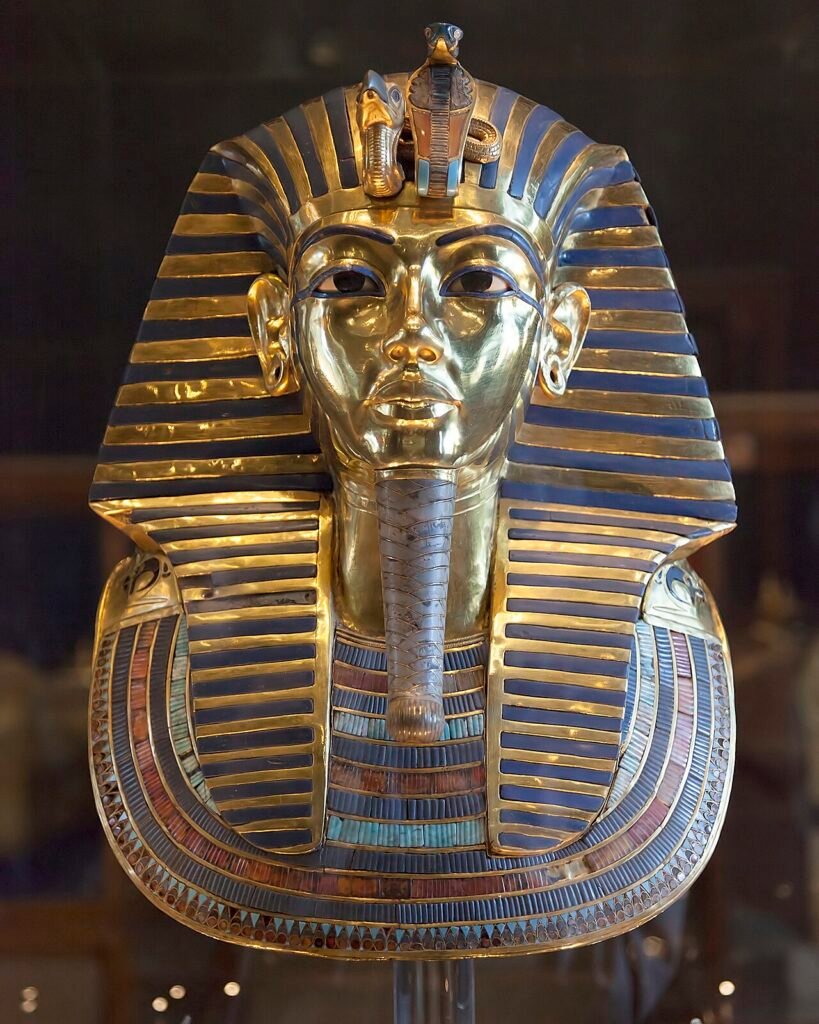
In November 1922, the British archaeologist Howard Carter, funded by Lord Carnarvon, found a step cut into the rock under those huts. On November 26, Carter made a small hole in the sealed doorway and held up a candle. Asked whether he could see anything, he famously replied, “Yes, wonderful things.” Inside were more than 5,000 objects, including the gold mask, three nested coffins, golden shrines, chariots, jewelry, furniture and clothing.
The discovery became a worldwide sensation. Newspapers covered every step of the excavation, and when Lord Carnarvon died in 1923 the story of the curse of Tutankhamun took off. Exhibitions of his treasures in the 1970s drew millions of visitors in the United States and Europe, and “King Tut” became a household name. Today his treasures are displayed together at the Grand Egyptian Museum near Giza.
Was Tutankhamun an Important Pharaoh?
By the standards of ancient Egypt, not really. He led no great conquests, built no great temples of his own and ruled for only about a decade. Pharaohs such as Ramesses II, Thutmose III or Hatshepsut did far more.
His reign still mattered: it marked Egypt’s return to its traditional gods after Akhenaten’s revolution, a turning point that shaped the rest of the New Kingdom. But his real importance is modern. His intact tomb is the best picture we have of how a pharaoh was buried, and it has inspired more interest in ancient Egypt than any other discovery.
Frequently Asked Questions
How old was King Tut when he became king?
Tutankhamun was about eight or nine years old when he became pharaoh, around 1332 BC.
How old was King Tut when he died?
He was about 18 or 19 years old when he died, around 1323 BC, after a reign of about nine or ten years.
Who were Tutankhamun’s parents?
DNA tests published in 2010 indicate that his father was the pharaoh Akhenaten and his mother was a royal woman known as the “Younger Lady,” who was also Akhenaten’s sister. Her name is not known for certain.
Did Tutankhamun have children?
Two mummified baby girls were found in his tomb. They are believed to be his daughters with Ankhesenamun, both stillborn or born very prematurely. He left no living heir.
Where is King Tut’s mummy now?
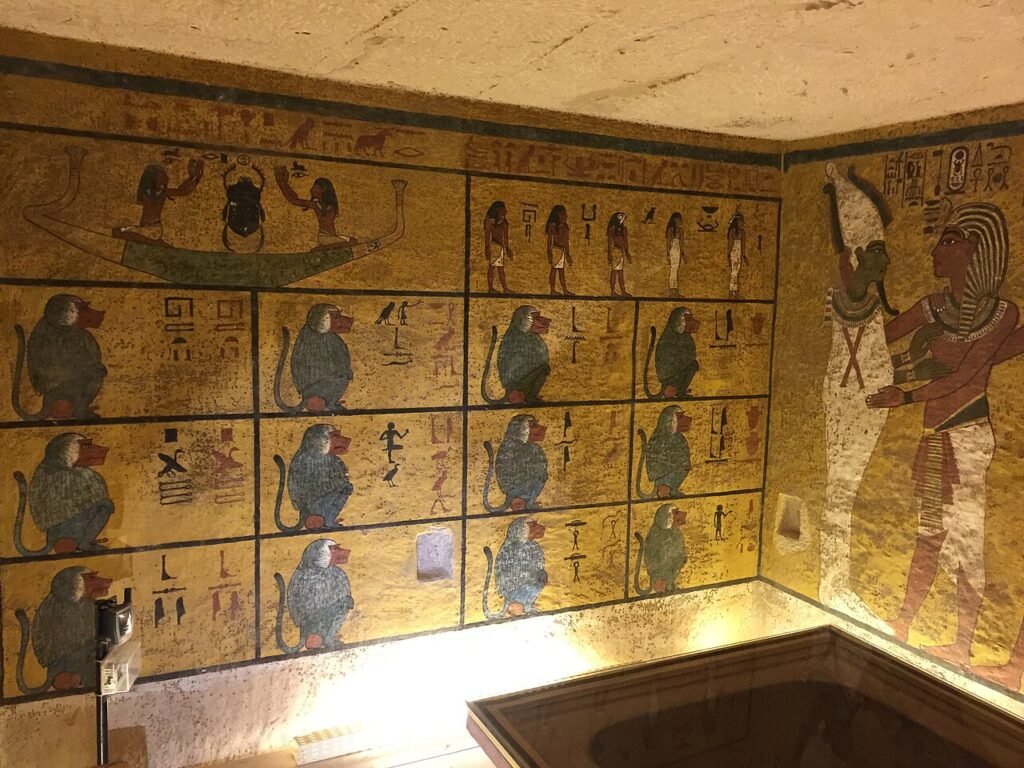
Tutankhamun’s mummy remains in his tomb, KV62, in the Valley of the Kings near Luxor, displayed in a climate-controlled glass case. His treasures, including the gold mask, are in the Grand Egyptian Museum.
Why is King Tut so famous?
Not for his reign, but for his tomb. It is the only royal tomb in the Valley of the Kings found nearly intact, and its golden treasures, discovered in 1922, made him the most famous pharaoh in the world.
The Bottom Line
Tutankhamun was a boy king born into a religious revolution, guided by powerful advisers, struck down young and then deliberately forgotten. That forgetting preserved his tomb, and his tomb made him immortal. To explore what was buried with him, read our guide to Tutankhamun’s treasures, see the search for hidden chambers in his tomb, or find where he fits in our list of Egyptian pharaohs.