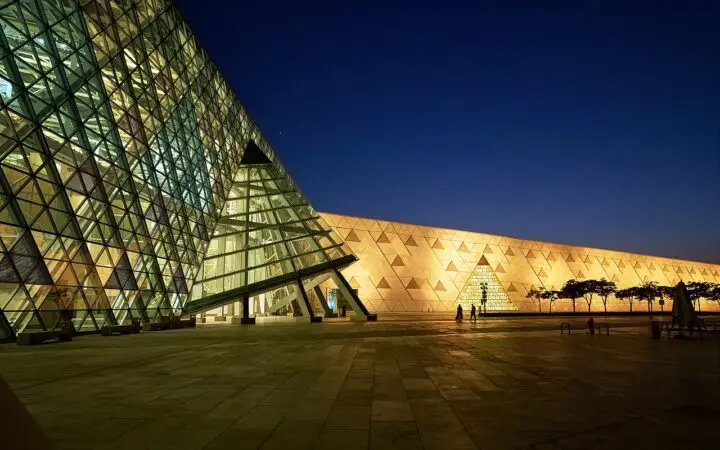
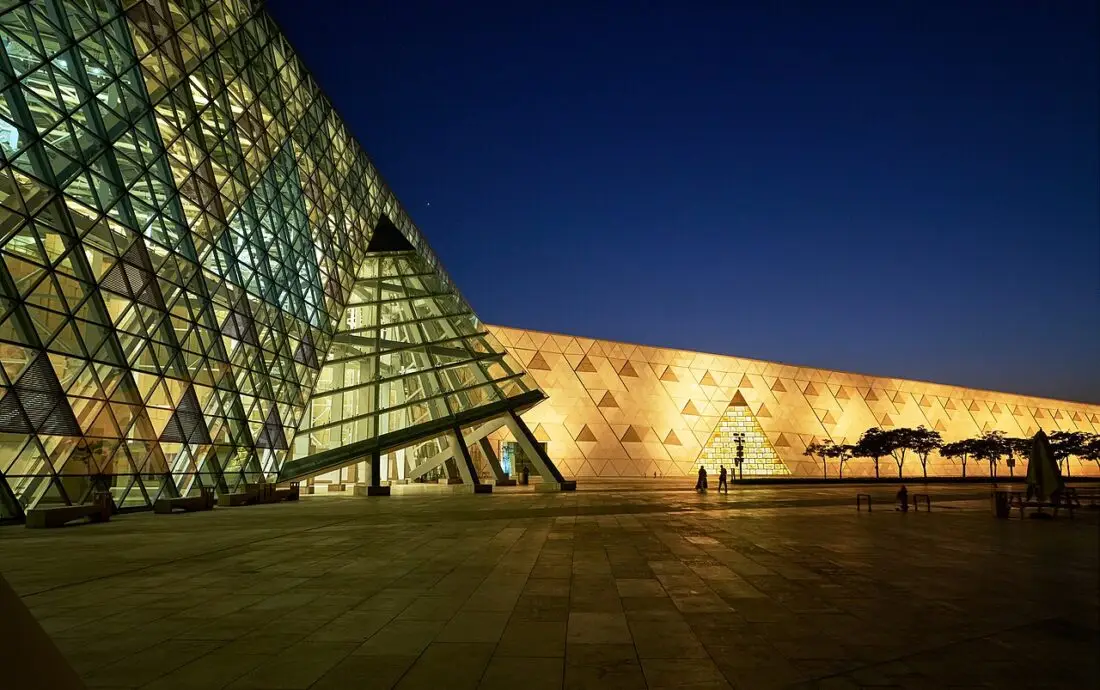
Grand Egyptian Museum Guide: What’s Inside, King Tut’s Gallery, and How It Changed Egyptology
Inside the Grand Egyptian Museum: Tutankhamun's 5,000 treasures, the Ramesses II statue, Grand Staircase, Khufu's boat, tickets, hours and visiting tips.
Egyptology, decoded
Unlocking the Secrets of Ancient Egypt: History, Archaeology, and Mythology
Inside the Grand Egyptian Museum: Tutankhamun's 5,000 treasures, the Ramesses II statue, Grand Staircase, Khufu's boat, tickets, hours and visiting tips.
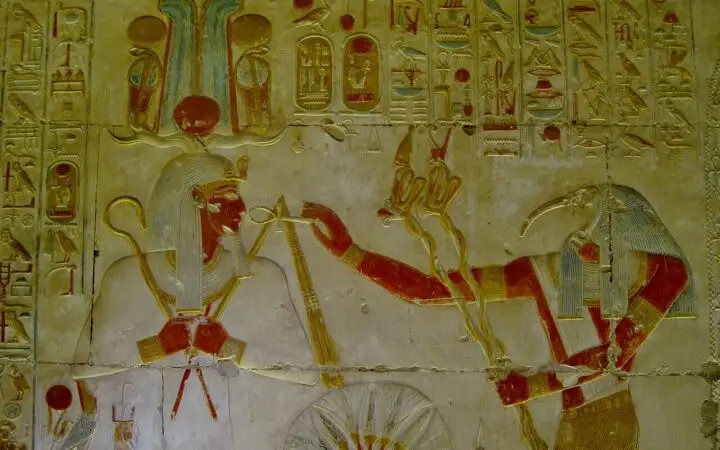
Who was Thoth? The ibis-headed Egyptian god of writing, wisdom and the moon: his baboon form, his role at the weighing of the heart,…
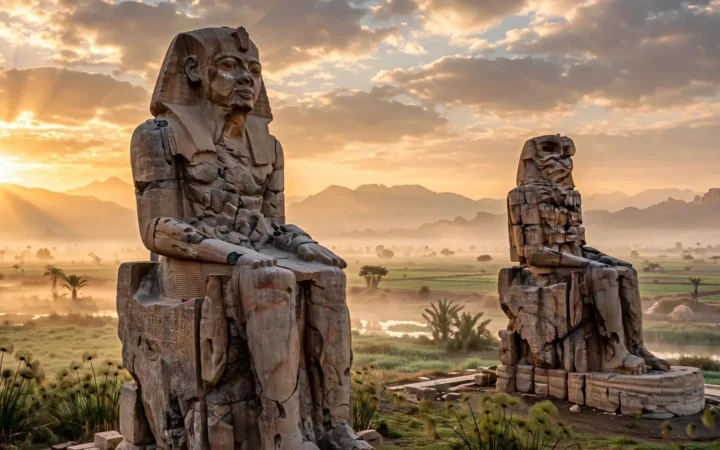
Meet Amenhotep III — the pharaoh behind Egypt's golden age of peace, gold, and monuments. Colossi of Memnon, Luxor Temple, the Lost Golden City,…
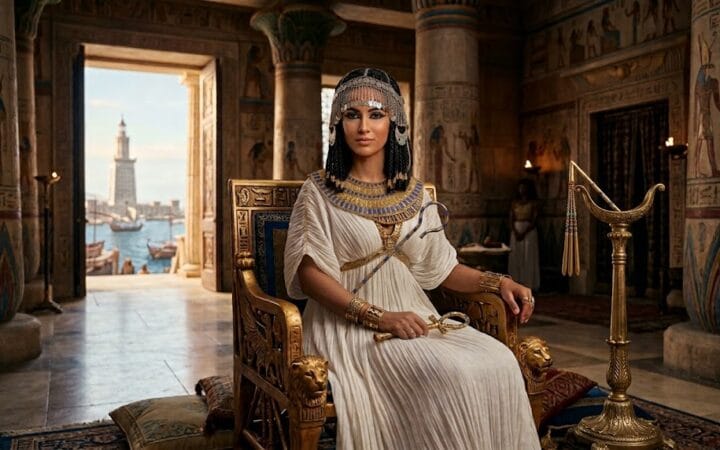
Here’s a fact that resets everything you think you know about Egyptian history. Cleopatra lived closer in time to the first Moon landing than…
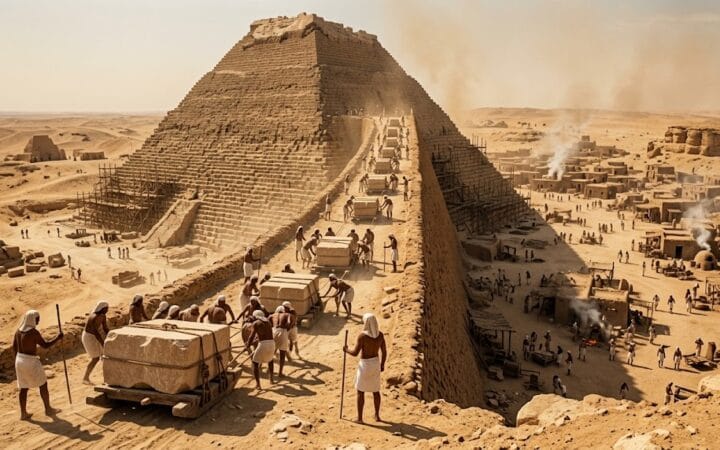
Imagine you’re standing at the base of the Great Pyramid in the year 2560 BCE. It isn’t ancient yet. It’s a construction site. There’s…
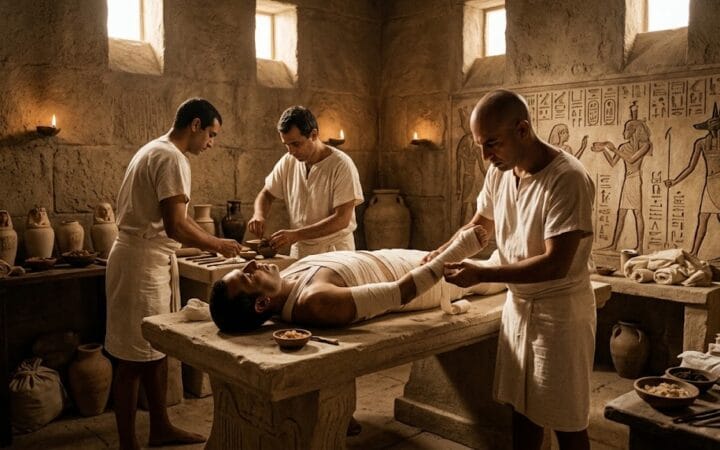
Imagine you’re an embalmer in Egypt three thousand years ago. A body has just been delivered to your workshop on the west bank of…
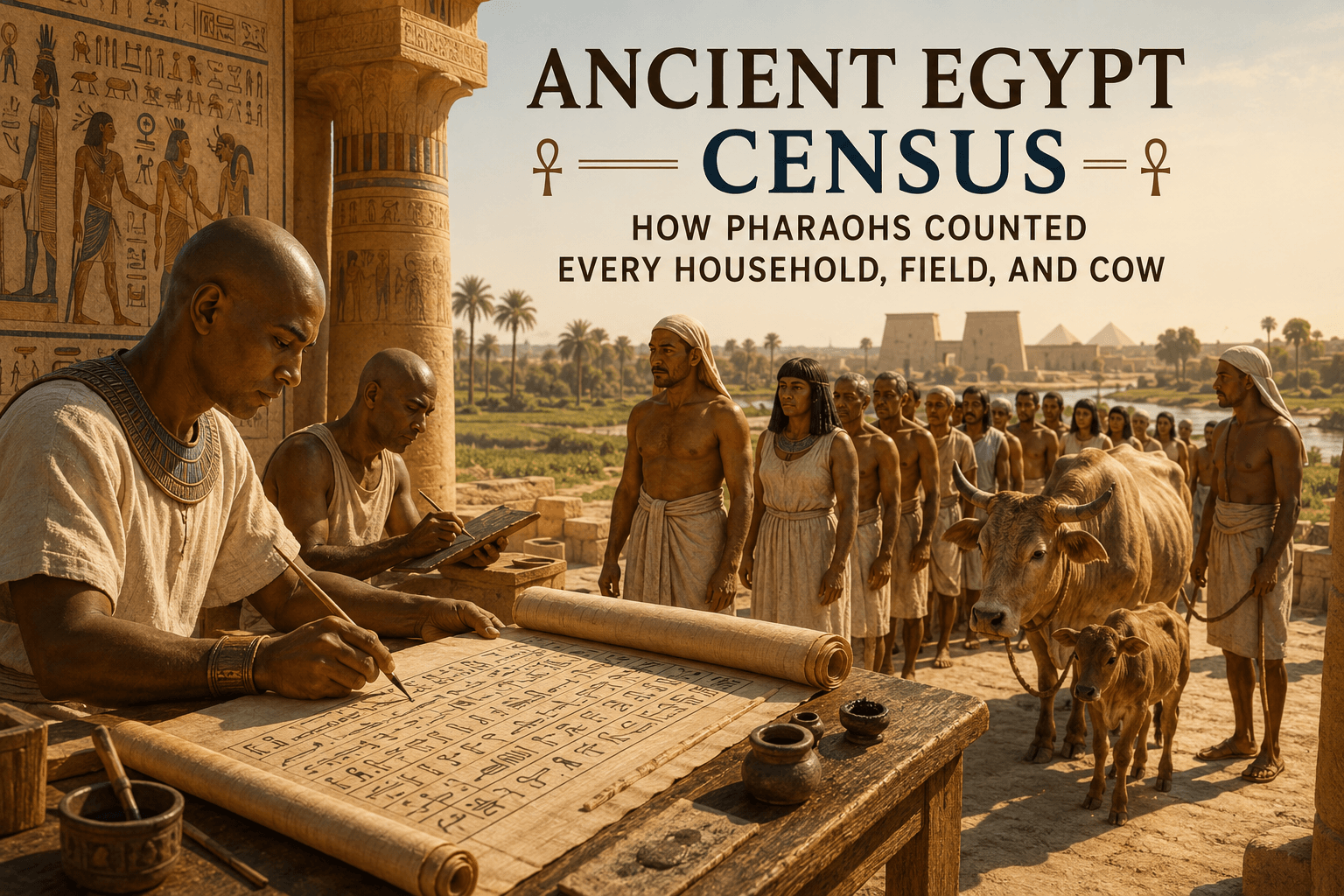
Imagine you’re standing in a limestone courtyard just after sunrise. Two hundred families are already there, lined up in rows that stretch toward the…
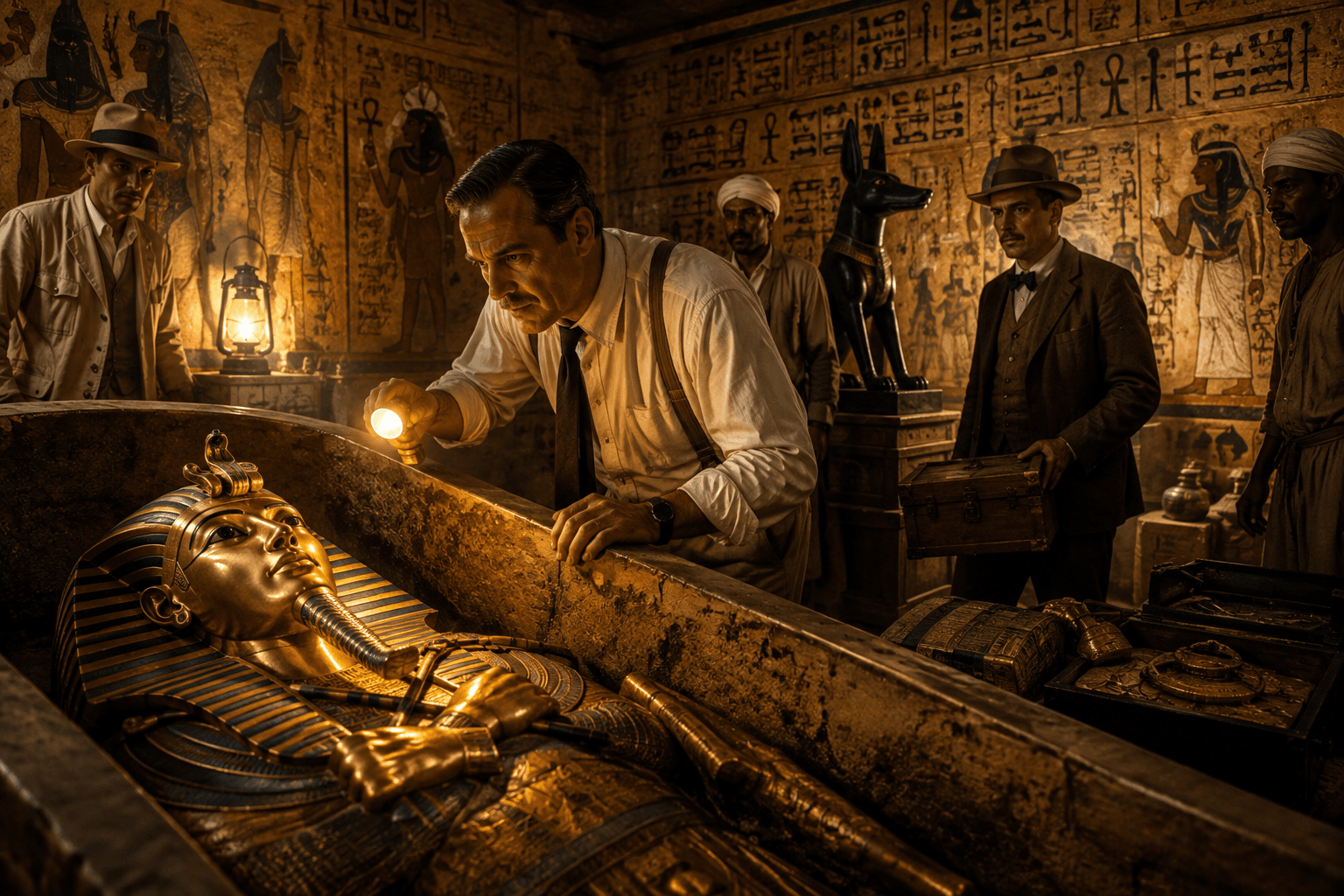
Lord Carnarvon died in Cairo in April 1923, five months after the tomb was opened. The cause was blood poisoning from an infected mosquito…
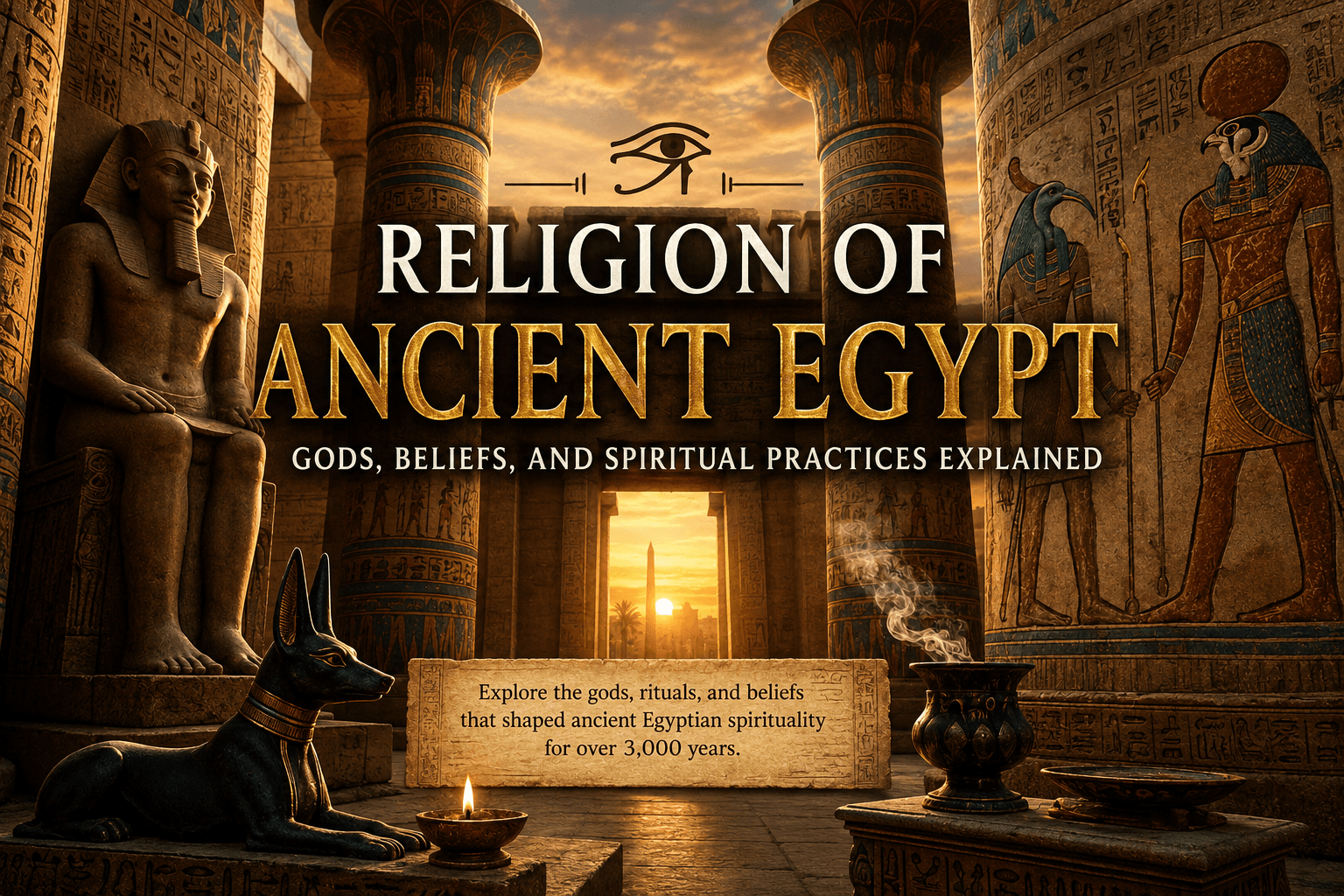
Explore ancient Egyptian religion: its gods, creation stories, afterlife beliefs, temple rituals, and how religious practice changed over time.
The pharaoh was a living god. He was also, in practice, the head of a filing system. Egyptian government worked because it wrote everything…
At Tuna el-Gebel and Saqqara there are underground galleries holding millions of mummified birds. Ibises mostly, stacked in pottery jars, wrapped individually. They were…
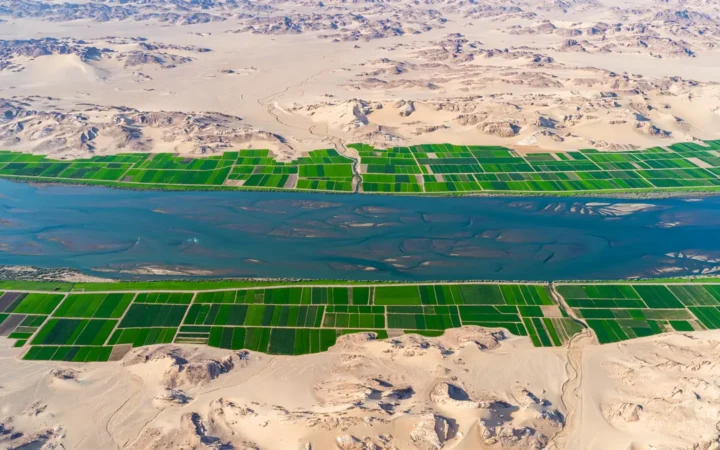
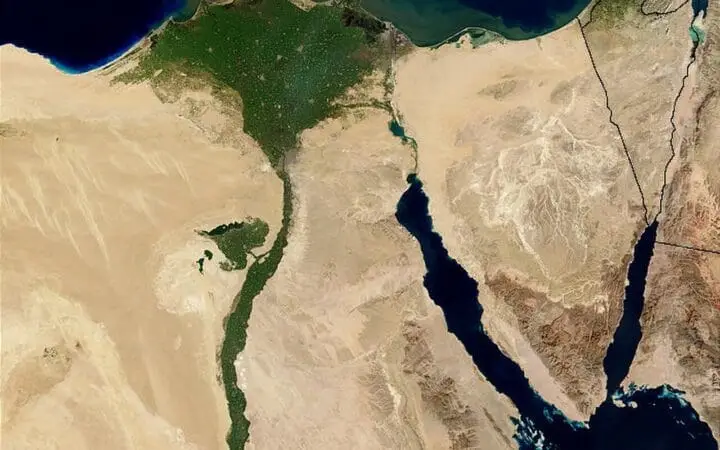
Explore an ancient Egypt map showing the Nile, the delta, Upper and Lower Egypt, and major cities including Memphis, Thebes, and Giza.
The 365-day calendar is Egyptian. So is the practice of writing on flat sheets rather than clay tablets, the twenty-four hour division of the…